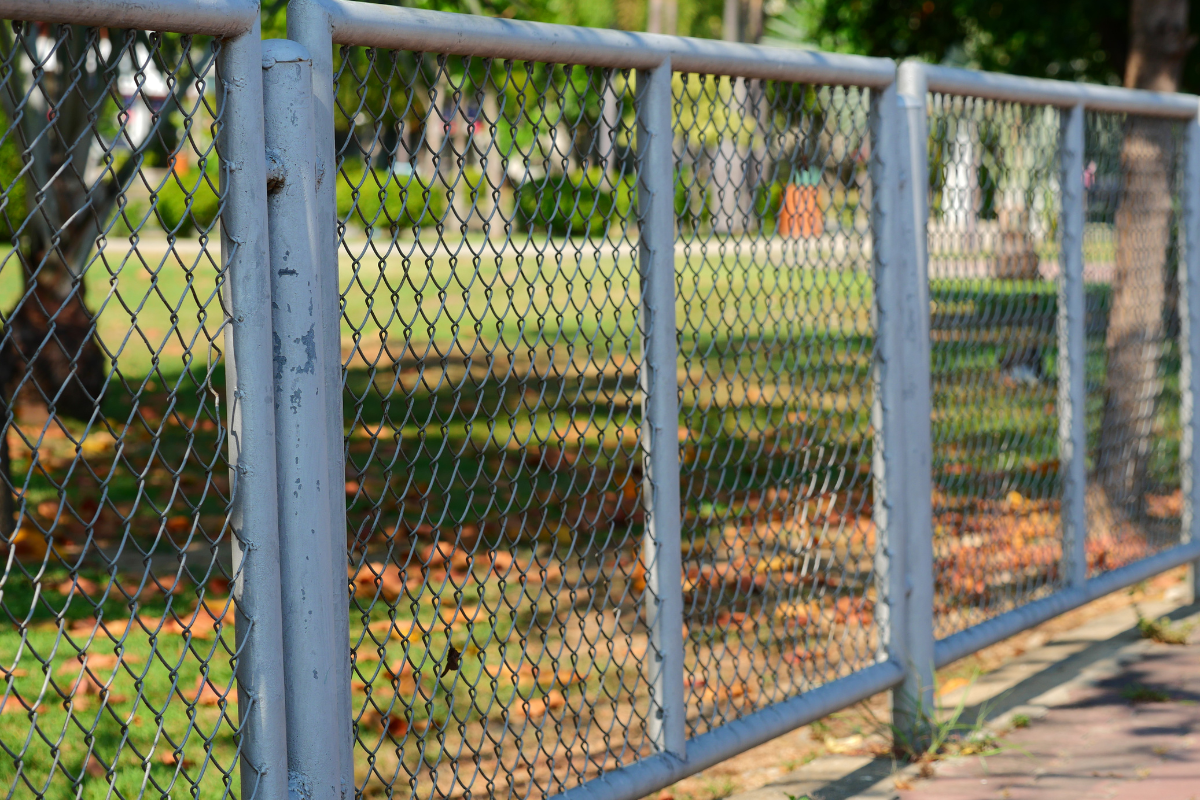
A chain link fence lives or dies by the materials behind it. I have seen 20-year-old fences stand straight after a storm because the contractor chose heavy wall posts and hot-dip galvanizing, and I have seen five-year fences sag and rust because someone tried to save a few dollars on wire and fittings. The decisions you make before the first post hole gets dug determine how often you will call for chain link fence repair, and how soon you will shop for a replacement.
This guide walks through the materials that truly matter, what specifications to look for, and where the trade-offs sit. Whether you are a property manager hiring a chain link fence contractor, a facility team comparing chain link fencing services, or a homeowner planning a weekend project, these details translate to years of life and fewer headaches.
The wire is the fence: core, coating, and gauge
Everything starts with the fabric, the woven wire that gives chain link fencing its diamond pattern. Three specifications decide how long it will last: the steel core, the coating, and the gauge.
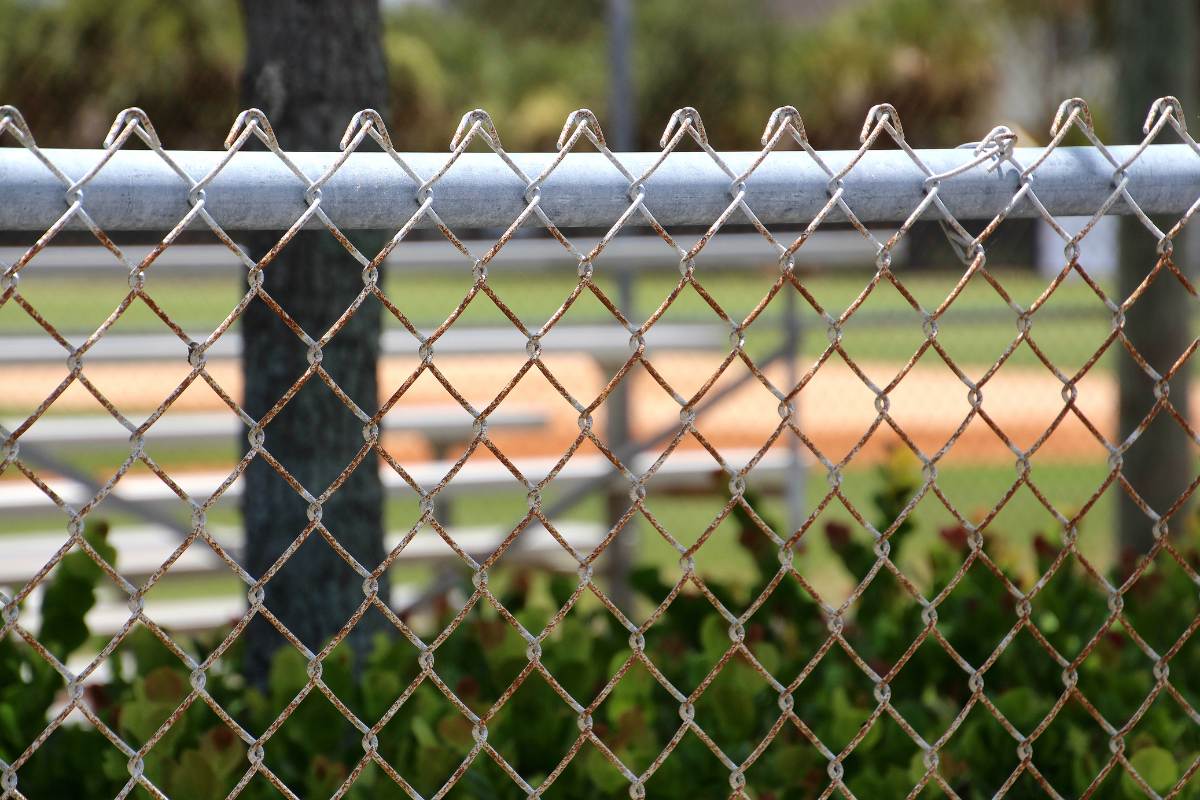
Galvanized steel with a full hot-dip coating is the workhorse. There are two ways manufacturers add zinc to steel. With pre-galvanized (electro-galvanized) wire, the zinc layer goes on before weaving. It looks bright and uniform, and costs less. With hot-dip, the wire is woven first, then the fabric gets submerged in molten zinc. Hot-dip coats the entire surface and seals the cut ends where corrosion likes to start. If you have ever noticed rust flowering from the knuckles and twists of a cheap fence, you were likely looking at pre-galv.
Look for GBW and GAW labels. GBW stands for galvanized before weaving, GAW for galvanized after weaving. GAW almost always outlasts GBW, all else equal. In coastal air with salt spray or in industrial areas with acidic pollutants, the difference compounds. I have replaced GBW fabric inside ten years near a fertilizer plant. A comparable GAW fabric nearby still carried its dull gray patina at year fifteen.
PVC coated fabric adds a vinyl jacket over galvanized wire. Quality varies tremendously. A good PVC jacket, applied thickly and bonded well, shields the steel from oxygen and moisture. A thin, brittle jacket cracks under UV and temperature swings, traps moisture, and accelerates corrosion underneath. If you want color, or you are fencing near a pool, sports court, or playground, PVC coated fabric brings both aesthetics and a softer feel. Ask for the mil thickness of the coating and confirm the underlying wire is GAW, not just GBW. The better suppliers provide a color-matched UV-stable PVC with a 15 to 20 year performance track record; lesser products chalk and fade in five.
Wire gauge is where budget sneaks into longevity. In the U.S., common residential gauges are 11, 11.5, and 12. The smaller the number, the thicker the wire. Commercial and industrial jobs often specify 9 gauge, and sometimes 6 or 8 for high-security or athletic fields that take ball impact. A 9-gauge GAW fabric with a 2 inch mesh opening is the sweet spot for long service in most climates. It resists deformation from kids climbing or trash cans leaning and holds tension without that “baggy” look after a few seasons. If you must trim cost, do it elsewhere before you go thinner than 11 gauge on a fence you want to last.
Mesh size affects both security and rigidity. A 2 inch mesh is standard. Tightening the mesh to 1 inch or 3/8 inch increases weight and cost but makes the fence harder to cut or climb. On tennis courts, 1.75 inch mesh helps visibility a bit while still managing ball rebound. For pets, especially small dogs, 2 inch is fine if you set the bottom rail properly; for kennels, 1 inch mesh at the lower three feet stops chewers and squeezers.
Finally, check the selvage, the way the wire ends are finished at the top and bottom. Knuckle selvage folds the wire back into a smooth loop; barbed selvage leaves points. Many commercial specs call for knuckle top, barbed bottom for security and safety. Homeowners typically prefer knuckle both sides. If you are building next to a public sidewalk or a yard with kids, keep the barbs away unless there is a specific need.
Posts: wall thickness beats diameter every time
A chain link fence stands or leans based on its framework. People often fixate on post diameter and forget the wall thickness. A 2 3/8 inch outer diameter line post with a .065 inch wall feels substantial at the store, but in clay soil that heaves or where wind pushes steadily, it will ovalize and loosen in its footing. A smaller post with a thicker wall often outlasts it.
Residential line posts typically range from 1 5/8 inch to 2 inches OD. For long-term performance, specify at least SS30 steel or a schedule 20 pipe equivalent. For commercial runs, 2 3/8 inch OD with .120 inch wall or schedule 40 pipe is a proven standard. Corner posts and gate posts carry the most load and deserve an upgrade. Put schedule 40 pipe or a structural equivalent at every corner and for any gate wider than 4 feet per leaf. I have seen gates hang straight for 15 years on schedule 40 and drag on the ground in three when hung on .065 wall.
The coating on posts matters as well. Hot-dip galvanized posts offer a thick, dull gray finish that shrugs off abrasion from ties and tension bands. Pre-galv or thin electroplate looks shiny on day one and pits earlier. If you want a color framework, powder coating over galvanized steel works well when done right. The powder must be applied over a cleaned and pretreated surface; otherwise, rock chips and UV create lift points. For coastal sites, consider zinc-rich powder primers beneath the color layer or go with stainless hardware and hot-dip frames without color.
Footings and depth turn strong posts into permanent ones. I rarely recommend setting line posts shallower than 24 inches on 4-foot fences or 30 inches on 6-foot fences. In frost regions, dig below the frost line. Bell the bottom of the hole or undercut the sides a bit so the cured concrete locks the post like a mushroom. For sandy soils, a deeper set with a dry-pack mix that hydrates from ground moisture can work, but you need an experienced chain link fence contractor to judge that site by site. In heavy clay, drain the bottoms before the pour to avoid frost heave lifting the footings like corks in a bottle.
Rails, braces, and the small parts that never get noticed
Rails keep the fabric from deflecting and the top profile looking clean. A top rail adds more rigidity than wire alone, especially in snow country and on fences kids will climb. For 6-foot fences and taller, add a mid rail or a couple of braces per bay using tension wire. I favor a full-length top rail over a top tension wire for longevity. The rail distributes loads evenly and protects the top selvage from wear. If budget forces a choice, at least run a top rail on long straight runs and tension wire only along short segments between structures.
Opt for .065 inch wall or heavier on residential top rails, .085 inch or schedule 20 for commercial. Joints should be swaged or use high-quality sleeves. Cheap, thin sleeves deform when the rail expands and contracts, creating play that rattles in wind. A continuous rail with proper expansion joints lasts longer and sounds better in a storm.
Fittings are where shortcuts hide. Tension bands, brace bands, rail ends, caps, and carriage bolts all look alike to a casual eye, yet their metal and coating separate good from bad. Hot-dip galvanized malleable iron fittings beat thin stamped steel over time. Stainless bolts resist galling and rust streaks down your posts, especially on dark powder-coated frames. At a minimum, specify galvanized hardware with a zinc thickness measured in ounces per square foot rather than a vague “zinc finish.”
Ties attach fabric to rails and posts. Aluminum ties are common, and they do not rust, but they are soft and can unwind under vandalism. Galvanized steel ties grip harder and hold shape better, though they can rust if the coating is thin. In high-wear areas like schoolyards, upgrade to stainless steel ties or use security ties that require a specific tool to remove. If you want a tidier look with less snagging, ask your chain link fence company about coated wire ties that match the fabric color.
Tension wire along the bottom adds a surprising boost in longevity. It keeps the fabric taut and prevents dogs from pushing under. Specify at least 7-gauge galvanized tension wire, or a 9-gauge with a spring coil at turns to maintain tension through temperature swings. Some contractors try to save time by skipping the bottom wire. Every time I have returned to a job where they omitted it, the fabric shows scallops and gaps along the bottom within a couple of seasons.
Coatings and corrosion: matching material to environment
Longevity is really a fight against corrosion, UV, and mechanical wear. Materials win or lose depending on the environment.
In dry inland climates, a decent galvanized system lasts a long time. In coastal zones with salt spray, go up a tier. I recommend GAW fabric, hot-dip galvanized posts and rails, stainless or hot-dip fittings, and PVC coated fabric if you want color. Keep dissimilar metals in mind. Stainless hardware on bare carbon steel can create galvanic cells in the presence of saltwater. If you mix metals, isolate them with nylon washers or use compatible coatings.
Industrial air can be as harsh as salt. If your fence sits near chemical storage, fertilizer, or manufacturing exhaust, ask your chain link fencing services provider about past jobs in the area and what survived. I have used aluminized steel fabric with good results under some pollutants; it resists oxidation differently than zinc-coated products. Powder-coated frameworks hold up well if the pretreatment and primer are right, but expect touch-ups every few years at impact points.
UV and color stability matter for PVC jackets. Not all PVC is equal. Quality resin blends and UV inhibitors make the difference between a jacket that chalks and cracks in five years and one that stays flexible for fifteen. Dark green and black tend to hide chalking better than lighter colors. For sports complexes, I often spec black PVC over GAW because cameras and spectators see through it better, and it tends to blend into backgrounds.
Gate frames and hardware: where movement tests materials
Gates are the first place a chain link fence shows its age. A crisp, level gate tells you someone chose good materials and hung them properly. The frame matters more than the mesh.
Choose welded gate frames of schedule 40 pipe or an equivalent structural square tube. Sleeve and pinched frames loosen with repeated opening. Welded corners stay square if the welds are full and the galvanizing covers them properly. If the gate will see frequent use or vehicle impact risk, add a diagonal brace and consider a truss cable to maintain squareness.
Hinges take the load. For walk gates, malleable iron hinges with adjustable bolts hold up, and quality shows in the threading and the bushing. For wider gates, use ball-bearing hinges or robust barrel hinges with grease fittings. Cheap hinges seize and twist posts. I have replaced more bent posts from seized hinges than from wind.
Latches and drop rods feel small until a winter freeze or a vandal tests them. Stainless internal latches on pedestrian gates resist tampering. On double drive gates, pick a drop rod with a metal guide and a ground sleeve that sheds water. If water collects in the sleeve and freezes, your gate stays stuck until spring.
Chain link fence repair often starts at gates. Upgrading hinges and latches during installation avoids many service calls. Good chain link fence contractors push clients to spend here because they know what fails in the field.
Concrete, compaction, and the unseen foundation
Materials in the ground rarely get headlines, yet they drive longevity. Concrete mix, hole shape, and backfill choice decide whether posts lean.
Use a bagged concrete that cures to at least 3,000 psi for standard fences, higher if you are anchoring large gates. In hot weather, move fast and keep the mix on the drier side to avoid slump. In cold weather, warm your water and protect the pour from freezing. A bell or mushroom base helps resist uplift, and roughening the sides of posts (or drilling shallow holes in schedule 40) increases mechanical bond.
For some soils, a gravel set works. In sandy, well-draining soil with a low frost risk, compacted angular gravel around the post lets water move and reduces heave. I use this method for temporary or semi-permanent fences I know I will move later. For long-term, I prefer concrete, especially under wind load.
Do not forget drainage. If your site channels water to a low corner, even the best materials suffer. Keep the bottom of the fence slightly above grade in wet spots and fill any gaps with a treated kickboard or a light mow strip that sheds water away.
Security and durability upgrades that pay back
Several add-ons help a chain link fence last longer by reducing stress and discouraging abuse.
A bottom rail turns the fabric into a panel and stops animals from lifting it. It adds cost and weight, and the posts must be sized to carry it. On sites with frequent lawn equipment contact or kids playing soccer along the fence, the bottom rail pays for itself in saved repairs.
Privacy slats change wind load. They look tidy, and many communities like the visual barrier, but they can double or triple the wind pressure on the fabric. If you plan slats, upsize posts and rails, add bracing, and use heavier gauge fabric. Ask your chain link fence company to run a wind load calculation for your area. I have seen fences that stood for years fail in the first winter after slats went in.
Barbed wire and razor coiled toppings are about security, but the brackets and arms that hold them also change how posts flex. If you add three strands of barbed wire at a 45-degree arm, that leverage increases torque. Choose stronger posts, deeper footings, and heavier brace bands at those locations.
Security mesh and small openings deter cutting and climbing, but they add weight. Combine tighter mesh with heavier framework and more bracing. A mismatch is where problems start: tight mesh on thin frames rattles and elongates holes around fittings.
When lighter materials make sense
Heavier is better until it is not. Budget and purpose matter. On a garden enclosure in a sheltered backyard, a 12-gauge GBW fabric on 1 3/8 inch top rail and 1 5/8 inch line posts makes sense. You will not gain much by upsizing everything to commercial spec. For a temporary construction site fence, lightweight panels with sandbag feet are the standard, and you replace parts as they wear.
I advise clients to concentrate strength where the risks are. Put schedule 40 posts at corners and gates, even if you run lighter line posts. Use GAW fabric on the lower four feet if dogs or landscaping tools will hit it, and a lighter fabric above. Spend on hinges and latches that survive daily use and let the less abused stretches be modest. This targeted approach gives you a long-lasting system without overbuilding every inch.
Selecting a chain link fence contractor who specifies well
Good materials go further in the hands of a careful installer. When you compare chain link fencing services, ask each chain link fence contractor for written specs that call out wire type, gauge, mesh size, post OD and wall thickness, coating method, footing depth and diameter, and hardware materials. Vague proposals that say “standard galvanized fence” hide the cheap stuff.
Request examples of jobs five to ten years old that you can drive by. Look at the gates and the bottom of the fabric. Check for rust streaks at fittings. Ask what they do differently at corners, grade changes, and transitions to structures. A contractor who talks about tension balance, bracing, and frost considerations is the one who will still answer your call in a decade because their fence is still standing.
If you work with a chain link fence company that also handles chain link fence repair, listen to their failure stories. The best crews keep a mental catalog of which parts fail in your area and steer you away from them. In one region with alkaline soil, a contractor I trust swapped to epoxy-coated anchor bolts after seeing ordinary galvanized ones corrode in four years. That detail never shows up in glossy brochures, but it adds years of life.
Real-world case notes
A coastal maintenance yard used 9-gauge GAW fabric with black PVC jacket, 2 3/8 inch OD schedule 40 posts at 8-foot centers, and stainless hardware. They added a bottom rail and three strands of barbed wire. Ten years later, the fabric still showed no red rust under the jacket, and the gates hung true. The upgrades added roughly 20 percent to the initial cost over a lighter build, but saved them two full replacements compared to the older GBW fence on the adjacent parcel that had failed twice in that period.
At a high school, privacy slats went into a 6-foot residential-grade fence ahead of a football season. That winter, a storm with 50 mph gusts twisted three sections and pulled line posts in shallow footings. The district brought in a chain link fence contractor to rebuild with 9-gauge fabric, schedule 20 rails, deeper footings, and heavier line posts, plus braces at 50-foot intervals. The slats stayed, and two winters later, no further movement.
A warehouse yard with constant forklift traffic upgraded only the gate assemblies and the first 20 feet on each side with schedule 40 posts, heavier rails, and welded gate frames. The remaining run used standard commercial materials. Repair calls dropped by half because the impacts clustered where the forklifts turned. Money went where it mattered.
Maintenance that protects the investment
Even the best materials live longer with small, regular care. Walk your fence twice a year. Tighten loose ties, especially near gates. Look for rust spots at cut ends or fittings and touch them up with a cold galvanizing compound or manufacturer-recommended paint for powder-coated systems. Keep vegetation off the fabric. Vines trap moisture and add wind load. Trim soil away from the bottom rail or fabric where it piles up after storms to prevent constant damp contact.
If a vehicle or mower bends a section, call for chain link fence repair promptly. A kink in the fabric or a slightly bent post spreads stress and invites further damage. A good repair crew can cut out and weave in new fabric seamlessly, replace a single post, or true up a gate before the problem grows.
Practical specs that rarely disappoint
For a long-lasting 6-foot perimeter fence in a mixed climate, I often specify:
- Fabric: 9-gauge, 2 inch mesh, GAW, optional black PVC jacket with UV inhibitors Framework: schedule 40 corner and gate posts at 2 7/8 inch OD, 2 3/8 inch OD schedule 20 line posts, .085 inch wall top rail with swaged ends Hardware: hot-dip galvanized malleable fittings, stainless carriage bolts and nuts, 7-gauge galvanized bottom tension wire, or a bottom rail in high-traffic areas Footings: line posts at 10 inches diameter x 30 to 36 inches deep depending on frost, corners and gates at 12 to 16 inches diameter x below frost Gates: welded frames, ball-bearing hinges, stainless latches, truss cable on leaves over 6 feet
Those numbers are not sacred. Soil, wind exposure, and use change the recipe. They do represent a baseline that has held up across cities, industrial parks, and schools for a couple of decades.
The quiet economics of better materials
A fence built to last does not just avoid replacement costs. It keeps your property secure, reduces liability from leaning sections, and saves maintenance hours. The extra spend on GAW over GBW fabric often adds ten to fifteen percent to the fabric line item, which is a small fraction of total project cost. Upgrading corner and gate posts to schedule 40 might add a few hundred dollars across a residential job and prevent the most common structural failures. Better hinges and latches might cost double, yet they eliminate yearly service calls.
When you weigh proposals from chain link fencing services, ask for two versions: a basic spec and a long-life spec. Compare the delta and think in five, ten, and fifteen-year horizons. The long-life spec almost always wins on total cost of ownership, especially where labor to repair is expensive or access is limited.
Bringing it together
Longevity in chain link fence installation is not a mystery. It is a series of choices about steel thickness, zinc coverage, coatings, and small parts that will never make a marketing brochure. Put your money into GAW or quality PVC-coated fabric, heavier wall posts at corners and gates, hot-dip or stainless hardware, well-sized rails, and proper footings. Match materials https://travisqdjb370.wpsuo.com/quality-chain-link-fence-repair-to-extend-fence-life to your environment, and do not saddle a fence with wind loads it was not designed to handle.
Partner with a chain link fence company that writes clear specs, shows you old jobs, and stands behind their work. When someone tells you all chain link is the same, they are either selling what they have in stock or they have not had to fix many fences after a hard winter. Choose materials with the next decade in mind, and the fence will repay you quietly, year after year.
Southern Prestige
Address: 120 Mardi Gras Rd, Carencro, LA 70520
Phone: (337) 322-4261
Website: https://www.southernprestigefence.com/