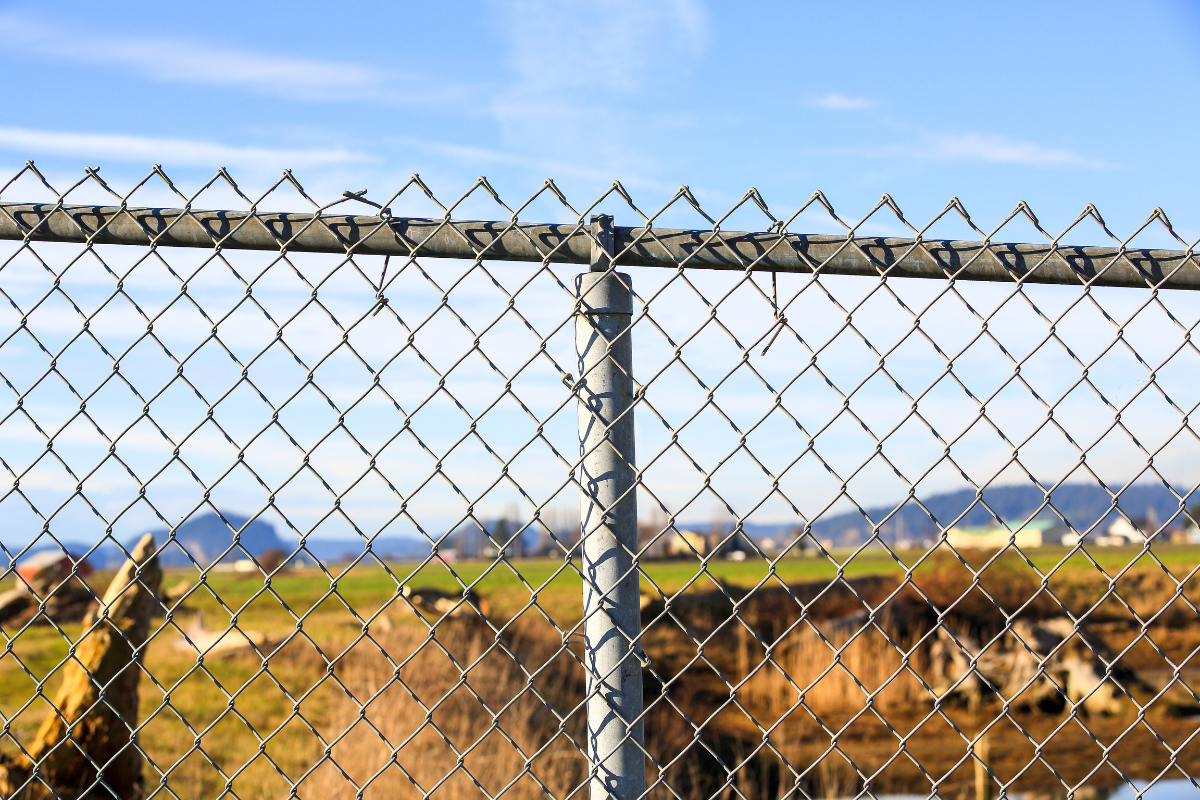
Security starts and ends at controlled points. A fence without a thought-out gate and access plan is an expensive line on a map, not a working perimeter. Over the past two decades installing and maintaining chain link fencing for industrial yards, utility sites, schools, and private facilities, I have learned that the most common failures rarely come from the mesh or the posts. They come from gates that bind or sag, weak latch hardware, poor clearances for vehicles, or electronics bolted on after the fact. Get the gate and access control right, and your chain link performs far above its modest price tag.
This guide distills field lessons into practical guidance on choosing gate types, sizing openings, anchoring hardware, integrating access control, and planning for maintenance. It speaks to owners evaluating chain link fencing services, facility managers coordinating trades, and any chain link fence contractor who wants to avoid callbacks.
What a chain link system does well
Chain link is not glamorous, but it does four things consistently when installed correctly. It marks a boundary, delays intrusion, supports visibility, and accepts upgrades. That combination makes it the workhorse for sites that must balance cost, performance, and speed of installation.
A standard 9 gauge core mesh with a 6 gauge finish, galvanized, on 2 inch diamond, hung on 2 3/8 inch schedule 40 line posts and 2 7/8 inch terminal posts, will last a decade or two with minimal care in most climates. Black or green vinyl-coated options cost more, but add corrosion resistance and reduce glare. Add top rail, mid-rails or tension wire depending on the threat level and expected pressure on the fence. If you specify a bottom rail in a yard with heavy plowing or forklift traffic, expect damage. If you go with only a bottom tension wire in a site with dogs or wildlife, expect burrowing and uplift without tighter spacing of ground stakes.
Where the system gets tested is at the opening. Gates concentrate wear, wind load, and user error. They carry the weight of vehicle control, visitors, and deliveries. That is where chain link fence installation rises or falls.
Gate types that match the job
The right gate is the one that fits the space, the traffic pattern, and the wind. Picking a gate by habit, not context, leads to binding wheels, smashed motors, and dented bumpers.
Swing gates fit small, clear areas with good setback. They are simple and reliable if you manage the arc. For openings up to about 16 feet total width, a double-leaf swing gate works well, assuming at least the same distance of clear space inside to accommodate the swing. In snowy regions, swing gates become snowplows unless the area gets cleared to the fence line, which rarely happens. I have seen swing leaves collect ice along the bottom rail and gain 50 pounds overnight. That weight goes into your hinges and posts.
Cantilever slide gates shine where space alongside the fence is available and ground conditions are uneven or obstructed. The gate leaf floats on rollers mounted to posts, with no wheels on the ground. For trucks and heavy traffic, cantilever is the default in many commercial sites because it avoids ruts and ice. The trade-off is length. A 20 foot opening needs a 30 foot leaf to cover the counterbalance proportion, so you need at least 30 feet of clear fence line to park the gate when open. In cramped urban lots, that space is rare.
Rolling slide gates use V-wheels on ground track. They are cheaper than cantilever and can span wide openings without the long counterbalance. The downside is obvious the first time you sweep gravel off the track in the rain with an impatient delivery driver waiting. Tracks clog, heave, and bend. If you choose this route, use a galvanized angle iron track welded to a steel stringer, not a bare inverted angle set in concrete. Keep the track elevated just enough to shed mud, and plan for seasonal re-leveling.
Vertical lift or vertical pivot gates save space where side clearance is not available, like tight alleys or near loading docks. They cost more, require electricity, and need structural footings and wind calculations. They belong in specialized spots. When wind exceeds roughly 70 mph gusts, a raised leaf becomes a sail. If you pick this model in a hurricane-prone region, budget for wind bracing and a maintenance plan.
Pedestrian gates deserve more attention than they get. A 4 foot wide pedestrian gate at a school or park sees more cycles than a truck gate and must work with closers, panic hardware, and ADA requirements. The hinge selection here matters because self-closing hinges take a beating. Heavy duty adjustable hinges with stainless springs last longer than cheap barrel hinges with add-on closers. If you need card access, plan hinge side clearance for conduit and wire loops.
Sizing and layout that prevent headaches
Every chain link fence company has handled the call from a manager saying the fire truck could not get in. The drawing showed a 20 foot opening, but the real gate clearance was 18 feet 6 inches thanks to latch guards, corner radii, and an uphill grade. The fix is simple: size the clear width to the largest vehicle plus margin, and measure the swing or slide path for slopes and obstructions.
For swing gates, the grade along the arc is the most common trap. An uphill slope inside the fence will cause the bottom rail to drag as the leaf opens inward. If you must swing into a hill, rack the gate frame during fabrication so the bottom rail rises with the grade. That means the chain link diamonds will not be perfectly square, but the gate will clear. Another option is to shorten the leaf slightly and add a concrete apron cut to allow clearance. Both require foresight. On a finished site, you are stuck trimming the leaf and installing taller latch hardware to keep the meeting rails aligned.
For slide gates, the fence line must be straight and clear for the full leaf plus a few feet for safety. Do not put a slide gate against a corner or between two buildings without verifying there is enough runback. I once saw a contractor install a beautiful 24 foot cantilever that opened right into an air conditioning compressor. The gate stopped two feet short of fully open, and the yard lost two delivery slots a day. A walk-through with a wheel tape and flags would have caught it.
Pay attention to wind. A 6 foot tall chain link leaf with privacy slats can increase wind load several times over bare mesh. At 30 feet span, that becomes a sail. If you want privacy, specify perforated panels designed for airflow or choose a lower height for the gate leaf even if the fence panels are taller. Where privacy is mandatory, upgrade posts and hinges, and consider whether a double swing splits the load better than a single wide leaf.
Structure and hardware that hold under load
Posts are your foundation. For gates, they do most of the work. A common mistake is to use the same post size for line, terminal, and gate posts. Gate posts should be stouter and deeper. For a double-leaf 20 foot swing gate at 6 feet height with occasional truck traffic, 4 inch schedule 40 posts set 42 inches deep in a 12 to 16 inch diameter concrete footing is a baseline. In frost zones, go below frost depth and bell the bottom when soil allows. In sandy soils or fill, increase diameter. If privacy slats are planned, jump to 6 inch posts on large openings.
Hinges and latches fail when undersized. Plate-mounted, through-bolted, adjustable hinges make life easier because you can fine-tune sag or seasonal movement without welding. For slide gates, use sealed bearing rollers and protect them with covers that keep fingers out and gravel off. On cantilever gates, the upper and lower roller brackets should be aligned on plumb posts set in thorough concrete, with bracing back to the post to resist twist.
Diagonal bracing and truss rods in gate frames matter. Frames that fade out of square are a symptom of poor truss tension or hinges mounted too close together. A proper truss runs from the bottom hinge corner to the top latch corner, tensioned so the gate bows slightly against the truss rod. For long-term performance, weld gussets at corners and add an internal horizontal to reduce panel flex.
When you install chain link fence hardware, park the idea that adjustments can be skipped. I have seen gates hung level in the morning and dragging by afternoon because the sun heated one side and expanded the metal just enough to expose a sloppy hinge layout. Leave room for expansion, use lock nuts, and check for smooth travel under full open and closed cycles before handing over the site.
Access control starts at the drawing board
Adding electronics after the fence goes in leads to bad conduit runs, exposed wires, and devices out in the weather without protection. Plan for power and data before any post hole is dug. If the site needs automatic operation, choose operator models that match the gate weight and expected cycles per day with at least 20 percent headroom.
Most commercial slide gate operators handle 700 to 1,500 pounds and run 30 to 50 cycles per hour. If you add privacy slats in a windy area, weight and wind resistance both increase. Pick an operator with soft-start, soft-stop, and learn mode for obstruction sensitivity. For swing gates with longer leaves, a linear actuator mounted on posts works well up to moderate wind exposure. Articulated arm operators tolerate misalignment better and can mount on wider posts or columns.
Every operator needs safety devices. Photo eyes, edges, and loop detectors prevent the gate from closing on vehicles or pedestrians. Loops require saw cuts in paving. If you can lay conduit before paving or before you pour aprons, you save time and gain reliability. Set loops as two rectangles, one at the stop line inside, one outside, with lead-ins routed through PVC sweeps to the operator pad. Use direct burial loop wire or preformed loops to avoid splices in the slab.
The control logic must match the site. Distribution yards often want free-exit loops to keep trucks moving and card-only entry after hours. Schools may lock everything on a schedule with key overrides at pedestrian gates and remote release from the office. Some facilities accept keypad entry during business hours but require proximity cards at night. If you expect tailgating attempts, add a closer spacing of loops and delay timers to force a close between vehicles, or consider a barrier arm paired with a slide gate to pace traffic.
Power matters. Gate operators hate brownouts. A dedicated 120 or 240 volt circuit with surge protection and a means to disconnect is standard. Where power drops are common, add a battery backup that can run at least a few cycles to clear vehicles. Solar is tempting for remote farm gates, and it can work with a light duty opener and low cycle counts. For busy commercial entrances, solar often disappoints unless you oversize panels and batteries significantly, mount them at good angles, and keep them clean.
Integrating credentials without ugly compromises
You can mount a nice keypad on a flimsy gooseneck and destroy the experience. Worse, you can place it so drivers lean out into traffic or stretch their shoulder. Place credential readers where drivers can reach without opening doors. For trucks, that often means two heights or a swing-away pedestal. Keep at least 12 feet of throat depth between the reader and the gate line to prevent contact when a driver fumbles a card.
Wireless locks and card readers on pedestrian gates save trenching but depend on batteries or solar. In high use settings, hard wiring pays off. Conduit runs through hinge posts need slack loops or armored cords across the hinge line. Weatherproof housings should be rated for the climate. Avoid mounting directly to chain link mesh, which vibrates and flexes. Weld a plate to the post or add a small bollard for devices.
Visitor management is often overlooked. If a facility expects deliveries after hours, install an intercom or video door station with a clear sign and lighting. Drivers need instructions. A simple placard that reads “Pull forward to line. Stop for gate. Use right-hand keypad” cuts incidents. If you work with a chain link fence contractor during planning, they can set the correct offsets for pedestals and provide sleeves for future device swaps.
The human side of access
No gate system is proof against a determined human with time. The goal is to deter, delay, and record. Bright lighting, clear sightlines, and logical traffic paths make a fence more effective. Train staff on the access system. Set a policy for code changes, card revocation, and after-hours overrides. Collect data on failures and misreads. I have seen sites change nothing for years while card readers struggle in the sun or frost. A sun-shade over a reader can cut misreads by half. A heated photo eye stops false trips in fog.
Think about emergency services. Provide a Knox box or local fire department override where required. Make sure heavy locks and chains on manual gates have a cut point and do not entangle the operator chains. A gate that fails safe in a power loss should open or unlock to the side that matters. In some cases you want a fail-secure pedestrian gate to keep a school locked even if vehicle gates fail open for evacuation. That must be designed with the authority having jurisdiction, not guessed at in the field.
Choosing chain link fencing services that stand behind the work
The difference between a one-and-done installer and a reliable chain link fence company becomes clear a year after installation. Ask for drawings and a hardware schedule. Expect them to ask about vehicle types, wind exposure, and power sources. A good chain link fence contractor will recommend heavier posts at gates, suggest conduit paths, and warn you if your desired privacy slats will push you into larger operators.
If you need testing or certifications, such as UL 325 for automated gates and ASTM F2200 for construction standards, demand those on the quote. Operators and safety devices must align with these standards. A contractor who shrugs at them is a liability.
Warranties matter, but prevention saves more. The best contractors build maintenance into the plan. They show you how to tension a truss rod, lubricate rollers, and test a loop. They propose a schedule, and it does not read like upselling. It includes seasonal checks, especially after freeze-thaw cycles or storms.
Installation sequences that reduce rework
A clean install follows a sequence that respects concrete curing, alignment, and wiring. On new builds, mark utilities and dig gate post footings first, since these need the biggest holes and deepest set. Place sleeves or conduits under any aprons before the pour. Set terminal and gate posts plumb and brace them until concrete cures. Only then hang the gate frames and adjust. Mesh goes on after all structural members are true.
If electronics are involved, mount operator pads on separate concrete piers isolated from heavy slabs to reduce frost heave and vibration transfer. Pull conductors after the concrete has cured and conduit paths are sealed. Program operators and devices last, after mechanical adjustments are complete, or you will chase false limits set during a sagging or binding condition.
On retrofits, accept that you may need to demo and re-pour gate footings. Many chain link fence repair calls come from trying to bolt new operators or hinges onto posts that were never intended for the load. If a post wiggles, there is no gadget that will make it stable. Replace it.
Slats, windscreens, and the truth about privacy
Privacy slats appeal to owners who want a tidy look and less view into their property. They also add weight and wind resistance, and they collect debris. A 6 foot high, 50 foot long fence run with full slats behaves very differently in a storm compared to bare chain link. Posts bow, fabric stretches, and gates bind. If privacy is mandatory, upgrade the framework. Use heavier posts at closer spacing, add more tension bars and ties, and pick slats with ventilation such as winged or louvered designs. When you add windscreens for temporary privacy on sports fields, remove them before storm season. I have replaced too many bent line posts after a fall windstorm, all of them behind a crisp green screen.
For gates, slats exacerbate the problem. If you must have slats on a slide gate, scale the operator and rollers accordingly and expect shorter maintenance intervals. In high-wind corridors, I advise clients to keep gate leaves un-slatted and use privacy panels on the fence runs instead. The gate never complains in a gust.
Maintenance that pays for itself
A small maintenance budget outperforms a large replacement budget. Once or twice a year, walk the line. Look for loose ties, broken barbed wire arms, and rust at welds. For gates, check hinge pins for play, roller bearings for grit, and truss rods for tension. Cycle operators and test every safety device. Clean photo eyes with a soft cloth. Sweep tracks on rolling gates. Lubricate with products that do not gum up, and avoid grease on tracks that will catch dirt.
When the freeze comes, gates move. Posts heave a quarter inch and gates bind. A five-minute hinge adjustment beats a forklift bending the leaf. If you rely on keypad codes, change them on a schedule and audit users. If you rely on cards, deauthorize lost cards promptly. For intercoms, verify call routing after any phone system changes.
Most chain link fence repair issues begin small. A bolt that backed off, a line post with loosened bands, a latch keeper that bent. Addressing them early keeps the system aligned and reduces strain on operators. A reputable chain link fence company will offer maintenance contracts that blend these checks with priority repair slots during storms or emergencies.
Real-world problem solving from the field
On a municipal utility yard, we replaced a 30 foot rolling gate track that clogged every winter. The owner assumed they needed a new operator. Instead, we switched to a cantilever design with proper counterbalance, set new 6 inch schedule 40 gate posts in 24 inch diameter footings, and mounted sealed roller trucks. We added vertical bar pickets to the gate frame to discourage climbing and kept the mesh bare for wind. The operator did not change. The failures stopped.
At a warehouse with a heavy outbound lane, trucks were clipping the card reader. The pedestal sat 6 feet from the fence line, leaving too little room for wide cabs. We relocated the pedestal to 12 feet from the gate, added a curb island to protect it, and installed a second, higher reader head for cabs. We labeled the lane with pavement arrows and mounted a sign. No hits in three years.
For a school campus, the concern was egress during lockdowns versus daily convenience. We installed closers and panic hardware at pedestrian gates, card readers for staff, and magnetic locks tied to the fire system. The vehicle gates remained manual but received a Knox padlock override and a monitored contact to alert the office if left open. The balance came from policy and training, not just hardware.
Budgeting with eyes open
Chain link fence installation remains cost effective compared to ornamental steel or masonry, especially on long runs. Where owners get surprised is the price of gate operators and safety devices, or the need for larger posts and deeper footings at gates. A straightforward 200 foot perimeter with a 20 foot double swing gate might run a moderate five-figure sum, while adding automation and access control can tack on another significant portion depending on device count and power needs.
The smart play is to phase correctly. Build the structural gate right on day one, with conduit stubs and pads ready, even if automation comes later. It costs little to put empty conduit under a driveway when the apron is being poured. It costs a lot to sawcut it later. If privacy slats are planned, specify the heavier framework now to avoid retrofits.
When evaluating proposals from chain link fencing services, compare apples to apples. Check wire gauge, post schedule, footing sizes, hinge models, operator specs, and safety device count. A low bid often hides lighter steel or omitted devices. Ask to see a similar installation that has been running for a few years.
When repair beats replacement, and when it does not
Repairing a bent gate frame makes sense if the frame is otherwise https://lorenzoshkb285.lowescouponn.com/perimeter-security-with-heavy-duty-chain-link-fencing-services sound and hardware is adequate. Pull the leaf, straighten on stands, weld gussets, and replace worn hinges. Repairing a fatigued, undersized gate that sags every month makes little sense. Replace it with an upgraded frame and hinges. For chain link fence repair along runs, replacing sections of fabric is easy, but if multiple line posts are out of plumb due to frost or vehicle impact, reset posts instead of forcing fabric to bridge the gaps.
With operators, intermittent issues often trace to power quality, ground faults, or wet loop splices. Before condemning a motor, check the basics: voltage under load, proper grounding, and dry junctions. When an operator is old and parts are scarce, replacement paired with a safety device refresh gives you a clean slate. Keep a log of service calls and costs. Once you cross the threshold where upkeep exceeds a third of replacement cost in a year, replacement becomes rational.
Bringing it together
A chain link perimeter succeeds when the gates function smoothly, the access control is intuitive, and the framework stands up to weather and use. That takes coordination between design, fabrication, installation, and maintenance. It also takes honest conversations about how the site operates at 7 a.m. on a Monday in the rain, not just how it looks in a rendering at noon.
If you are hiring a chain link fence company, expect them to ask hard questions and to suggest details you might not have considered. If you are the chain link fence contractor, bring your experience to the table early. Show where a cantilever beats a swing, where conduit should go, and how wind shapes decisions about slats and spans. If you are maintaining the system, put hands on hinges and eyes on loops, not just eyes on a dashboard.
The payoff lives in quiet days. Trucks roll in, doors close snuggly behind them, and nobody notices the fence. That is the mark of a gate and access control plan done right.
Southern Prestige
Address: 120 Mardi Gras Rd, Carencro, LA 70520
Phone: (337) 322-4261
Website: https://www.southernprestigefence.com/